
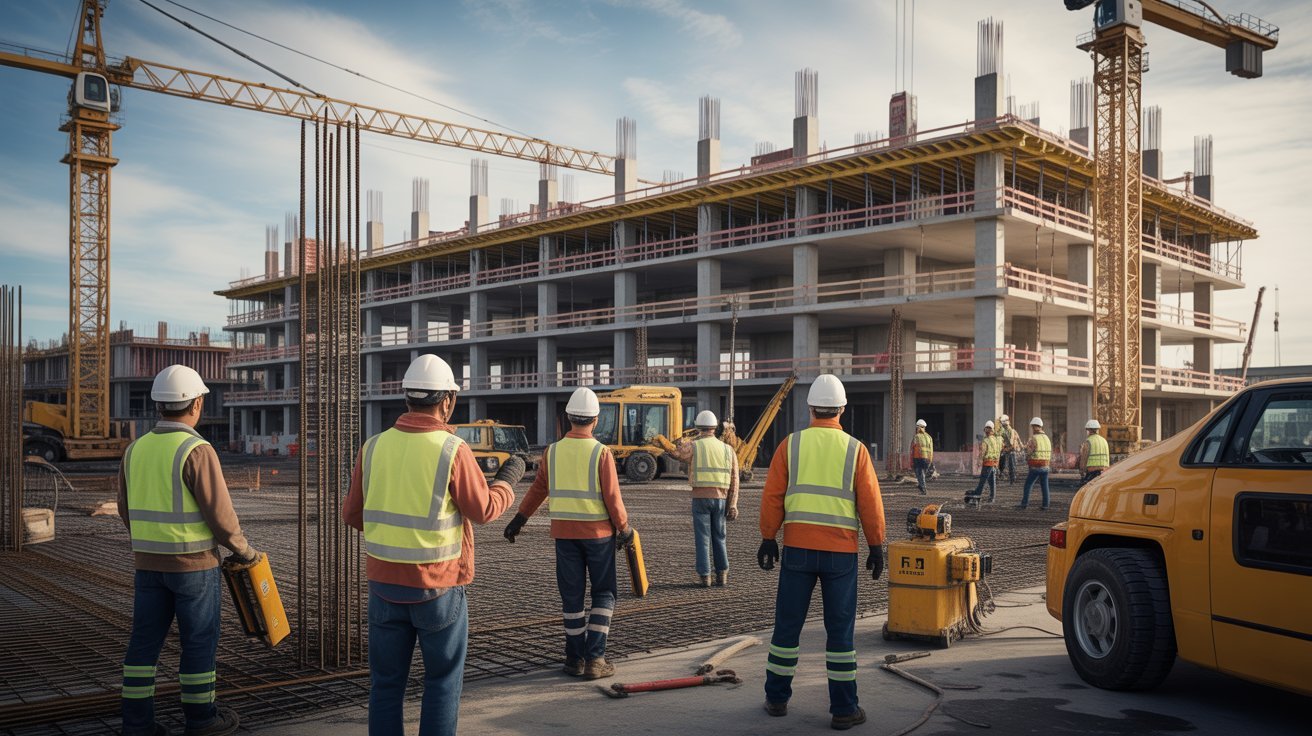
Land Development Process: A Complete Guide
The land development process is one of the crucial factors of the contemporary construction and urban growth. Prior to the commencement of any residential, commercial or industrial project, the land needs to be subject to several stages of planning, approval and preparation. From developing a housing community to building a shopping center, office complex or industrial plant, proper land development ensures the project is safe, legal and financially successful.
It is important for property owners, investors, builders and developers to develop an understanding of the land development process. Each phase has to be managed with great care, coordination and adherence to local rules.
In this blog, we will be discussing the entire land development process from its stages to its importance, challenges, and benefits.
What is Land Development?
Land Development – the process of improving raw land for construction or future use. The process of turning underutilized or undeveloped land into a residential, commercial, industrial or mixed-use property.
The process could involve:
- Land clearing
- Site grading
- Road construction
- Utility installation
- Drainage systems
- Environmental approvals
- Infrastructure development
The primary goal of land development is to make the land suitable for safe and efficient construction.
The significance of the Land Development Process
Land development is an important component of urban planning and economic development. Proper development ensures:
- Safe construction practices
- The efficient use of land in the production process.
- Improved infrastructure
- Improved drainage system and utility systems
- Increased property value
- Environmental protection
- Organized community planning
A great deal of problems could arise during construction projects if they are not properly developed.If a construction project isn't developed properly, it could have legal issues, structural problems or environmental risks.
There are multiple stages that are important in the process of developing the land. All phases should be done carefully in order to proceed to the next phase.
Selecting the site and acquiring the land
The first phase of the land development process is choosing the proper real estate. When developers are buying property they consider the following factors:
- Location
- Accessibility
- Market demand
- Zoning laws
- Utility availability
- Environmental conditions
A detailed feasibility study is usually carried out to see if the project will make money and be feasible.
When the land is fit for the project, the developer buys the land.
Feasibility Study and Planning
Once the land is acquired, a feasibility study is done to assess the viability of the project.
This stage includes:
- Soil testing
- Environmental assessments
- Market analysis
- Cost estimation
- Utility availability checks
- Traffic impact studies
A preliminary site plan is developed by architects, engineers and planners.
It's easy to avoid expensive issues when constructing if there's a plan in place.
The City also handles zoning and land use approvals through its Planning Division
Zoning laws control activities occurring on land within a particular zone. All developers need to be aware of local zoning regulations and ensure that the project complies with them.
Typical zoning classifications are:
- Residential
- Commercial
- Industrial
- Agricultural
- Mixed-use
If the project proposed is not consistent with the existing zoning, the developer might require rezoning approval from local planners.
Permit and approval is one of the most important components of the land development process.
Environmental Review
Environmental assessments are required to help identify potential environmental impacts.
In this stage, you can experience:
- Wetland analysis
- Wildlife studies
- Flood risk assessment
- Assessment of air and water quality.
- Tree preservation planning
Environmental compliance is key for obtaining construction permits, especially from the government.
Project plans may need to be modified to reduce the impact on the environment.
Site Design and Engineering
After approvals have been secured, the project design is finalized by engineers and architects.
The design process are:
- Road layouts
- Utility planning
- Drainage systems
- Stormwater management
- Building placement
- Parking areas
- Landscaping plans
Civil Engineers ensure that the infrastructure is safe and complies with regulations.
Then there are detailed engineering plans that are submitted for final approval.
Land Clearing and Site Preparation
Once the approvals have been obtained, the physical site preparation starts.
This stage includes:
- Removing the trees and vegetation
- Demolishing old structures
- Clearing debris
- Excavation work
- Soil stabilization
This is the time when bulldozing, excavating and grading are generally the operations that are in use.
Site preparation to ensure stable foundation for construction.
Concrete Paving and Maintenance
Grading is the modification of the ground's surface to provide proper elevation and drainage.
Proper grading helps:
- Prevent flooding
- Control erosion
- Improve water flow
- Design firm building surfaces.
Utility Installation
No development project can go without utilities.
At this stage install:
- Water lines
- Sewer systems
- Electrical systems
- Gas pipelines
- Internet and communication lines
The utility companies will work together with the developers to ensure that the systems comply with local requirements.
Good utility planning provides long term, functional, efficient utilities.
Road and Infrastructure Development
Lands development is a significant component of the road construction and infrastructure development process.
Infrastructure work may comprise of:
- Streets and sidewalks
- Parking lots
- Street lighting
- Traffic control systems
- Public transportation access
Good infrastructure makes things more accessible and makes property look better.
Final Inspection and Approval
The government will conduct an inspection of the site before construction can be completed to make sure that it meets the plans and safety standards approved by the government.
Inspectors review:
- Drainage systems
- Utility installations
- Road construction
- Environmental compliance
- Soil stability
After a final inspection the site is approved for construction of a building.
The Land Development Process is fraught with problems
The process of land development may be complicated and lengthy. Common challenges include:
- Permit delays
- Environmental restrictions
- Budget overruns
- Soil issues
- Community opposition
- Utility limitations
- Regulatory compliance
These risks can be mitigated by having experienced developers and project managers to coordinate and plan.
Proper land development provides benefits
Successful land development offers a number of benefits:
- Increased land value
- Better infrastructure
- Improved community growth
- Higher investment returns
- Safer construction environments
- Sustainable urban expansion
Good quality landscapes draw businesses, residents and investors.
Future of Land Development
There is a greater emphasis on technology and environment in today's land development.
Current trends include:
- Smart city planning
- Sustainable infrastructure
- Green building practices
- Renewable energy integration
- Advanced drainage systems
- GIS mapping and drone surveying
More and more, developers are making eco-friendly and energy efficient projects a priority.
Conclusion
Making land suitable for residential, commercial, or industrial development is an important part of the land development process. The planning and professional skills are required for every stage, from site selection to zoning approvals, grading and installation of utilities and provision of infrastructure.
Successful land development builds a safer community, stimulates economic growth and adds value to properties. With urban sprawl spreading across the globe, effective and sustainable use of land will play a crucial role in the development of future constructions.








0 Comments